
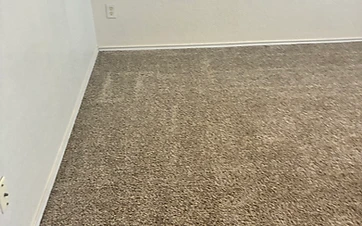



A vacant unit can lose money by the day, but a rushed cleaning can cost even more in complaints, delayed move-ins, and damage that should have been caught before keys changed hands. Property manager cleaning is not simply a final sweep before a showing. It is a coordinated service that supports occupancy, protects the property’s condition, and gives managers a clear record of what was completed.
For landlords, apartment communities, short-term rental operators, and commercial property teams, the goal is not to find the lowest cleaning quote for a single job. The goal is dependable work with a defined scope, timely communication, transparent estimates, and service visibility from booking through completion.
What Property Manager Cleaning Should Cover
The right cleaning plan depends on the property type, unit condition, turnover timeline, and lease requirements. A studio apartment after a light tenancy needs a different approach than a four-bedroom rental with pet hair, grease buildup, and construction dust. Common areas, offices, retail spaces, and furnished rentals also bring their own standards.
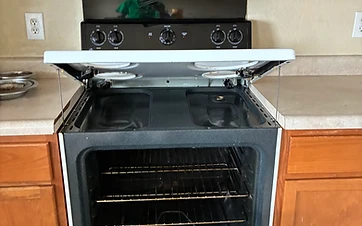
A professional scope should state what will be cleaned, what requires additional approval, and what is outside the service. In a typical residential turnover, that may include kitchens, bathrooms, floors, baseboards, cabinets, interior appliances, fixtures, and reachable surfaces. It may also include dust removal from vents, blinds, and ceiling fans when requested.
The details matter. “Clean the kitchen” can mean wiping counters to one provider and cleaning the inside of cabinets, degreasing the range, and polishing fixtures to another. A property manager should not have to guess. Clear descriptions reduce disputes and help everyone inspect the job against the same expectations.
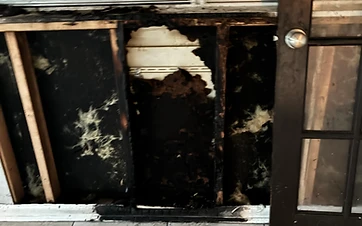
Cleaning is also different from maintenance. A cleaner may identify a leaking faucet, damaged blind, pest evidence, mold-like staining, or an appliance that needs service, but should not be expected to repair it. A reliable workflow makes room for those findings, so the property manager can route them to the right vendor before a resident moves in.
Why a Repeatable Cleaning Process Matters
Turnovers often involve several moving parts at once: a departing resident, inspection notes, paint touch-ups, maintenance repairs, vendor access, utilities, and an incoming resident with a confirmed move-in date. When cleaning is managed by text messages and vague verbal instructions, it can become the part of the process that holds everything else up.
A repeatable process gives property teams control without adding unnecessary administration. Start with an accurate request that identifies the property, unit type, access instructions, target completion date, and known condition issues. The cleaning provider can then prepare an estimate based on the actual work rather than relying on an incomplete description.
Once approved, the job should have a scheduled service window and a documented scope. After completion, the manager needs confirmation that the service was performed, along with any notable observations. This does not need to be complicated. It simply needs to be consistent.
For multi-property owners, consistency also improves budgeting. When the same categories of work are priced and tracked the same way, managers can see where expenses are increasing. A unit that repeatedly requires extensive cleaning may point to lease enforcement, maintenance, or resident communication issues that deserve attention.
Building a Better Property Manager Cleaning Scope
Before booking, decide what outcome the space needs to achieve. Is it move-in ready? Is it being prepared for photography or a showing? Is it a routine common-area service? The answer should shape the scope, timeline, and budget.
For turnover work, provide the cleaner with useful context upfront. Note whether the unit is empty or furnished, whether utilities are on, whether pets were present, and whether there are known concerns such as smoke odor, heavy grease, soap buildup, or excess trash. Photos can be useful when a condition is difficult to describe, especially when the property is not local to the person booking service.
The scope should distinguish standard work from add-ons. Interior refrigerator and oven cleaning, wall washing, interior windows, laundry, dish removal, odor treatment, and excessive debris are common examples of services that may require separate pricing. There is nothing wrong with an additional charge when the condition requires more labor. The key is that the charge should be visible and approved, not introduced as a surprise after the job begins.
A thoughtful scope also protects cleaning professionals. They should know whether a location is safe to enter, whether utilities are active, who can provide access, and what to do if a property is not ready. A values-centered service relationship respects both the customer’s property and the people entrusted to care for it.
Use Visibility to Prevent Last-Minute Problems
The greatest value of a professionally managed cleaning service is often what happens between the booking and the final walkthrough. A manager needs to know whether the job is scheduled, who is assigned, whether service is in progress, and whether the work is complete. That visibility replaces the uncertainty of repeated follow-up calls.
Digital booking and service tracking are particularly helpful when a manager oversees properties across town, across Texas, or in more than one state. Instead of searching through text threads for an old estimate or wondering whether a cleaner arrived, the customer can manage job details in one place.
Real-time status updates should support action, not create noise. If access is unavailable, the manager should receive notice quickly enough to resolve it. If the condition is materially different from the request, the provider should document the issue and seek approval before expanding the scope. If the cleaning is complete, the record should show it clearly.
This level of accountability is useful for property managers, but it also serves owners and residents. Owners gain confidence that their asset is being cared for. Incoming residents experience a cleaner, more prepared home. Cleaning teams have clear instructions and a direct process for reporting issues.
Set Standards for Quality, Not Just Speed
Fast turnovers matter, but speed alone is not quality. A rushed job may leave behind hair in drawers, residue on fixtures, dust along baseboards, or odors that become obvious only after the next resident arrives. Those small misses create an avoidable second visit and can weaken trust at the start of a lease.
Set practical inspection standards before the work begins. Kitchens should be free of food residue and grease. Bathrooms should be sanitized and free of visible buildup. Floors should be cleaned according to their material, not merely swept. Cabinets, closets, and drawers should be empty and wiped when included in the scope. High-touch surfaces deserve close attention, particularly in shared commercial areas and furnished properties.
At the same time, expectations should be fair. Normal wear, permanent staining, damaged materials, and deferred maintenance cannot always be corrected through cleaning. A dependable provider will identify the difference rather than promising an unrealistic result. Honest communication protects the manager from approving a service that cannot deliver the outcome the property needs.
Plan for Recurring Work Before It Becomes Urgent
Turnovers receive most of the attention, yet recurring cleaning can prevent many urgent requests. Common hallways, leasing offices, restrooms, clubhouses, retail spaces, and shared work areas shape how residents, prospects, employees, and visitors perceive a property.
A recurring schedule should reflect actual traffic. A lightly used office may only need weekly service, while a busy lobby or public restroom may require more frequent attention. Seasonal changes also matter. Rainy weeks can increase floor care needs, and high leasing periods may call for more frequent cleaning of model units and shared spaces.
It helps to keep recurring service separate from turnover service in both the scope and records. That way, routine work is not interrupted by a vacant-unit emergency, and managers can review each type of service on its own terms. Organized scheduling makes it easier to plan staffing, spending, and inspections without sacrificing responsiveness.
Choose a Cleaning Partner That Can Be Managed
A cleaning provider should make property operations easier, not create another vendor to chase. Look for clear estimates, a defined approval process, reliable scheduling, documented job completion, and a way to communicate when conditions change. For larger portfolios, consider whether the provider can support recurring service and multiple locations without losing consistency.
Price still matters, but it should be considered alongside reliability and oversight. The lowest quote can become expensive when the work is incomplete, the cleaner cannot access the unit, or no one can confirm what happened. A transparent estimate gives managers a better basis for comparing service rather than comparing a single number with no context.
So Fresh & So Clean Clean is built around that kind of organized service experience, with easy booking, transparent estimates, and real-time service tracking designed to keep customers informed. When cleaning is handled with integrity, defined workflows, and respect for the property, managers can focus less on chasing updates and more on preparing the next space for the people who will use it.