



A commercial cleaning quote can look surprisingly different from one provider to the next, even when the building square footage is the same. That is because the real question is not only how much does it cost to clean a commercial building, but what work is included, how often it happens, and what standard the space needs to meet each day.
For office managers, property managers, retail operators, and business owners, a reliable cleaning plan should make costs easier to understand, not harder to predict. A clear scope, transparent estimate, and visible service process help you compare options on more than the lowest number.
How Much Does It Cost to Clean a Commercial Building?
Commercial cleaning commonly ranges from about $0.08 to $0.30 per square foot per visit for recurring general cleaning. Hourly pricing may fall around $30 to $65 per cleaner hour, while a fixed monthly price is often used for ongoing janitorial service. These are broad U.S. planning ranges, not a promise of a final rate. Local labor costs, the condition of the building, cleaning frequency, and specialized requirements can move the price up or down.
A small office that needs routine cleaning once a week may cost a few hundred dollars per month. A larger office, medical suite, retail location, school, or multi-tenant property cleaned several times a week can run into the thousands monthly. The useful comparison is cost per completed scope, not simply cost per square foot.
For example, a 5,000-square-foot office with standard restrooms, a break room, and open work areas may need service three evenings per week. If the scope includes trash removal, restroom sanitation, vacuuming, mopping, and touchpoint disinfection, a monthly estimate could reasonably be much higher than a similar-size warehouse with only one restroom and limited finished office space.
What Drives Commercial Cleaning Prices?
Square footage sets a starting point, but it rarely tells the whole story. A cleaner can move through an open, low-traffic office much faster than a building with individual offices, glass partitions, multiple restrooms, carpeted conference rooms, and a busy employee kitchen.
The type of facility
A standard professional office is usually less costly to maintain than a medical office, fitness center, daycare, restaurant, or industrial facility. Higher-risk or highly regulated spaces may require more detailed sanitation procedures, approved products, personal protective equipment, certifications, or additional documentation.
Retail stores have their own demands. Entry glass, fitting rooms, high-touch counters, restrooms, and customer-facing floors need to look presentable on a consistent schedule. In a medical environment, the cleaning team may need specific protocols for exam rooms, waiting areas, and waste handling. The more specialized the setting, the more carefully the scope and price should be built.
Frequency and timing
Cleaning more often increases the monthly spend, but it can reduce the effort required during each visit. A building cleaned five nights per week generally stays easier to maintain than one receiving a deep reset every other week.
Service timing also matters. After-hours cleaning may be the best fit for an office or store, but access procedures, alarm coordination, keys, elevator use, and security requirements can affect labor time. Day porter service, where a professional is present during business hours to address spills, restock restrooms, and maintain common areas, is typically priced differently from after-hours janitorial work.
Condition, traffic, and layout
A newly occupied suite with light foot traffic will take less time than a space that has gone months without professional attention. Heavy soil, stained carpet, buildup in restrooms, neglected baseboards, and overflowing storage areas can turn a routine job into a deep-cleaning project.
Layout matters as well. Multiple floors, long walking distances, stairs, limited supply closets, and difficult parking can add time to every visit. A transparent estimate accounts for these practical realities before service begins instead of adding confusion later.
The work included in the scope
Routine commercial cleaning usually covers the recurring tasks that keep a workplace orderly and hygienic. A clearly written scope should identify whether service includes items such as:
- Trash and recycling removal
- Restroom cleaning, sanitizing, and restocking
- Vacuuming, sweeping, and mopping floors
- Dusting accessible surfaces and cleaning touchpoints
- Break room and kitchen cleaning
- Interior glass, entryway, and lobby upkeep
Not every building needs every task at every visit. A business may request daily restroom care but only weekly dusting, or nightly floor care with monthly interior glass cleaning. Defining that cadence is one of the best ways to prevent price surprises.
Recurring Cleaning vs. One-Time Deep Cleaning
One-time cleaning often costs more per visit than recurring service because the team is bringing the space back to a maintainable condition. A deep clean may include detailed dusting, baseboard work, buildup removal, spot treatment, interior appliance cleaning, high and low dusting, and more intensive floor care.
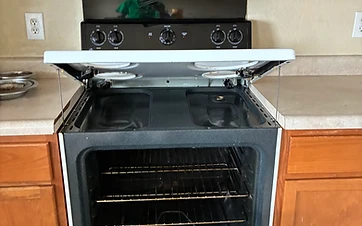
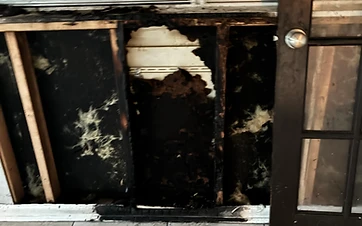
Move-in and move-out cleaning can also require extra labor. Empty rooms may seem simple, but cleaning inside cabinets, closets, appliances, windows, and fixtures takes focused time. Post-construction cleaning is another separate category because it can involve fine dust removal, debris handling, adhesive residue, and multiple cleaning phases.
When requesting an estimate, it helps to separate the initial reset from the ongoing service plan. Paying for a detailed first clean can make recurring maintenance more efficient and more predictable afterward.
How to Compare Commercial Cleaning Estimates
The lowest quote is not always the lowest operating cost. If important tasks are excluded, a low starting price can lead to repeated add-ons, inconsistent results, or staff members handling work that was assumed to be included.
Ask each provider to explain the cleaning frequency, visit duration or staffing level, tasks included, supply responsibilities, and any exclusions. Confirm whether paper products, liners, soap, floor finish, specialty disinfectants, and consumable restocking are included or billed separately. You should also understand how additional requests are approved and documented.
For managed properties and busy businesses, communication is part of the value. A professional process should provide a clear path for scheduling, reporting concerns, checking job status, and reviewing completed work. This accountability is especially valuable when service occurs after hours and decision-makers are not on-site.
Budgeting for the Right Level of Service
Start by identifying the areas that affect employees, customers, tenants, or compliance most directly. Restrooms, entrances, reception spaces, break rooms, and high-touch areas usually deserve consistent attention. Back-of-house areas may need a different schedule based on how they are used.
Then consider what happens if cleaning is missed or performed poorly. Poor restroom conditions can affect employee morale and customer trust. Unmaintained floors can create safety concerns. Dust, clutter, and neglected common areas can make an otherwise well-run business feel disorganized. Cleaning is a facility expense, but it also supports the experience people have in your space.
It is reasonable to adjust the plan as your needs change. Seasonal traffic, events, tenant turnover, renovations, and illness concerns may call for added service temporarily. A flexible provider should be able to document those changes, provide an updated estimate, and keep the recurring plan organized.
Getting a More Accurate Commercial Cleaning Quote
The fastest route to a useful estimate is to provide details beyond square footage. Share the facility type, number of restrooms, floor surfaces, occupancy, cleaning frequency, access hours, and any special areas such as kitchens, exam rooms, gyms, or customer-facing glass. Photos, a walkthrough, or a digital intake process can help a provider see the actual workload.
Be direct about priorities, too. If spotless restrooms are non-negotiable but private offices only need light weekly attention, say so. If your building has a strict security procedure or needs real-time visibility into service progress, include that in the conversation. The best scope is built around how your operation actually functions.
So Fresh & So Clean Clean approaches service with the same principle: cleaning work should be easy to schedule, clearly estimated, and responsibly managed from booking through completion. When the expectations are visible, it is easier to budget wisely and hold every part of the service accountable.
A good commercial cleaning plan should leave you with more than a clean floor and empty trash cans. It should give your team confidence that the building will be cared for consistently, with a price and process you can understand before the work begins.